Little Umbrella Collective (LUC) is an artist-led initiative supporting artists with and without disabilities, particularly those with high support needs. Born from a shared recognition of systemic gaps within the arts and disability sectors, our mission is to create equitable pathways for marginalised artists to thrive professionally.
We operate as a collaborative, mentorship-based community where lived experience and creative practice intersect to form accessible models of making, exhibiting and learning. Our collective brings together practicing artists, curators and support workers who are also artists, co-creating through deep listening, mutual care and experimental approaches to materials. Alongside visual art, we also create collaborative videos and produce music, expanding our practice into sound, movement and screen-based storytelling.
This online exhibition introduces the individual practices that form the foundation of the collective. The works reflect a range of approaches, from textural and process-based painting to embroidery, sculpture and conceptual assemblage. Some artists draw from personal memory and sensory experience, while others respond to social or environmental contexts. Together, the exhibition presents a cross-section of perspectives and materials that reflect LUC’s ongoing commitment to collaboration, experimentation and access in contemporary art.
We believe in collaboration without prejudice. Our collective provides a space where artists, regardless of ability, can learn from and with each other. We actively engage the wider community to showcase what’s possible when inclusivity is not just a value but a practice. Above all, LUC aims to inspire people with disability, along with families, friends and allies, by creating spaces of joy, creativity and shared experience.
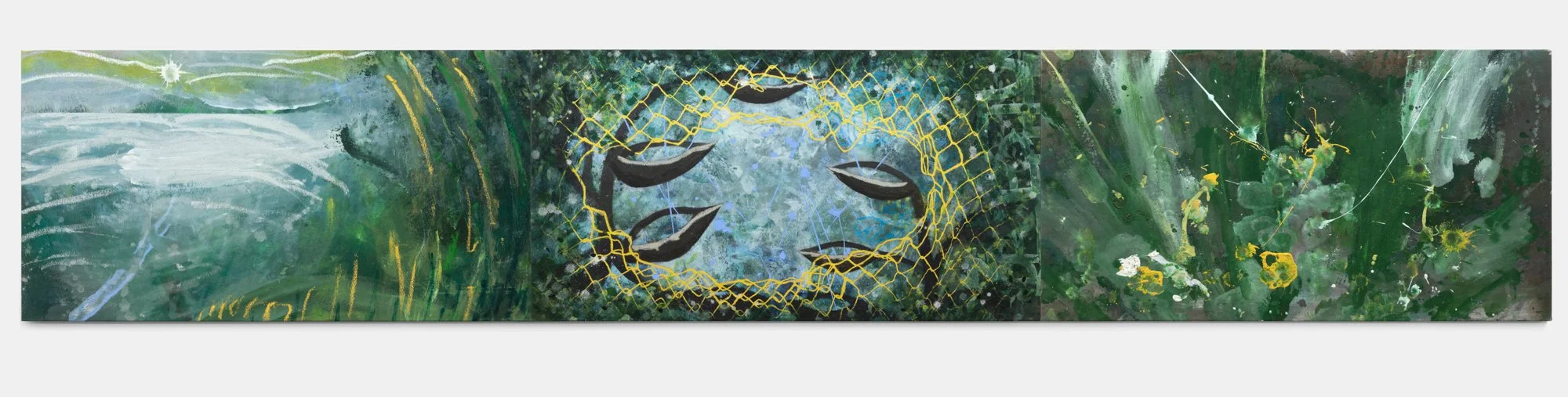
Left to Right:
Matt Elliott, ‘Looking out (Woollahra Gallery at Redleaf), 2024, Acrylic, varnish, dye pigment and oil stick on canvas, 73 x 137cm,
Little Umbrella Collective, Collective Energy (collaborative painting at Redleaf), 2024, Acrylic, varnish and oil stick on canvas, 73 x 137cm,
Luke Abdallah, Cane Painting #21 (Garden Canopy, Redleaf), 2023, Acrylic, impasto and glass beads on canvas, 73 x 137 cm,
Part-time mythologist


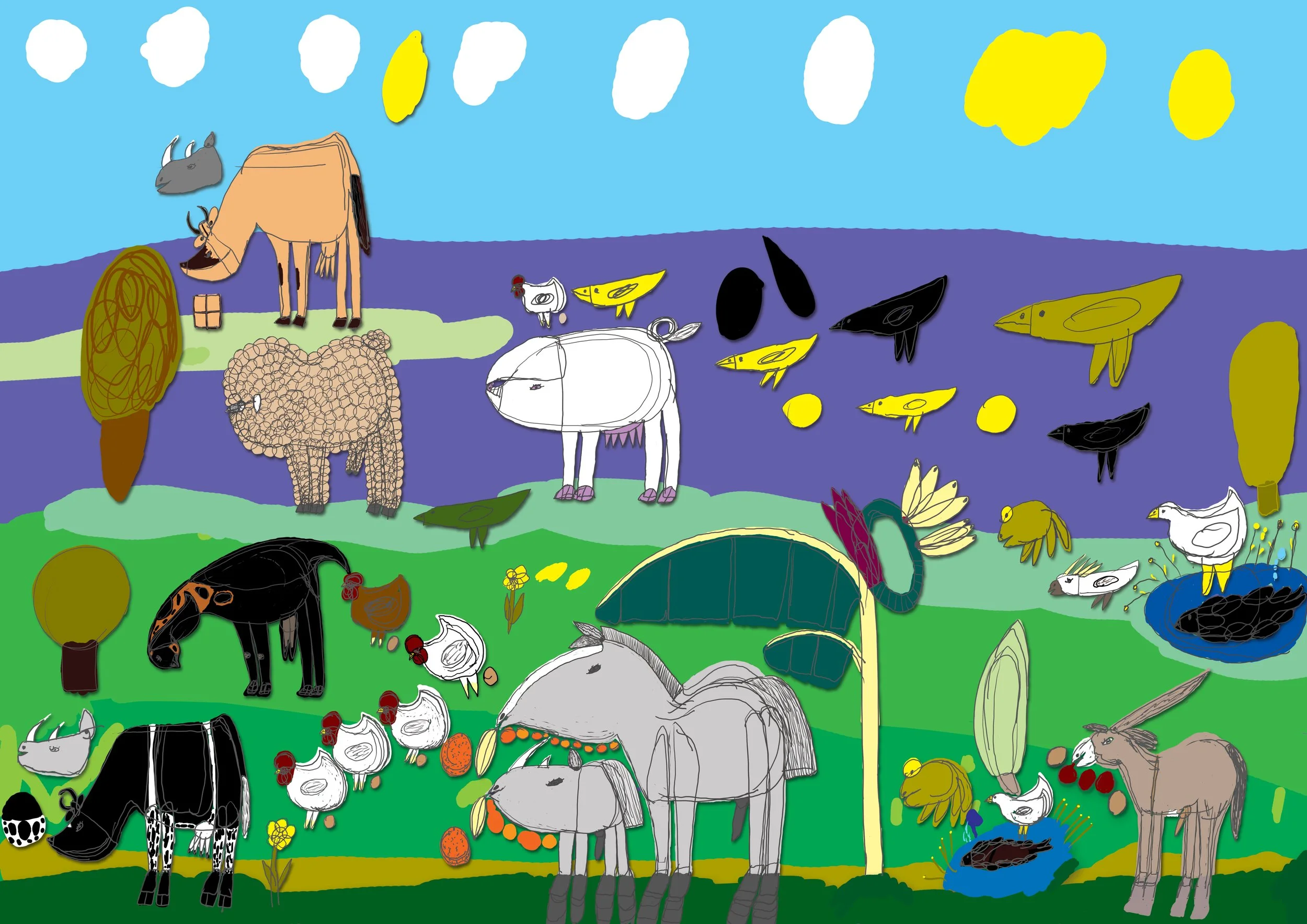
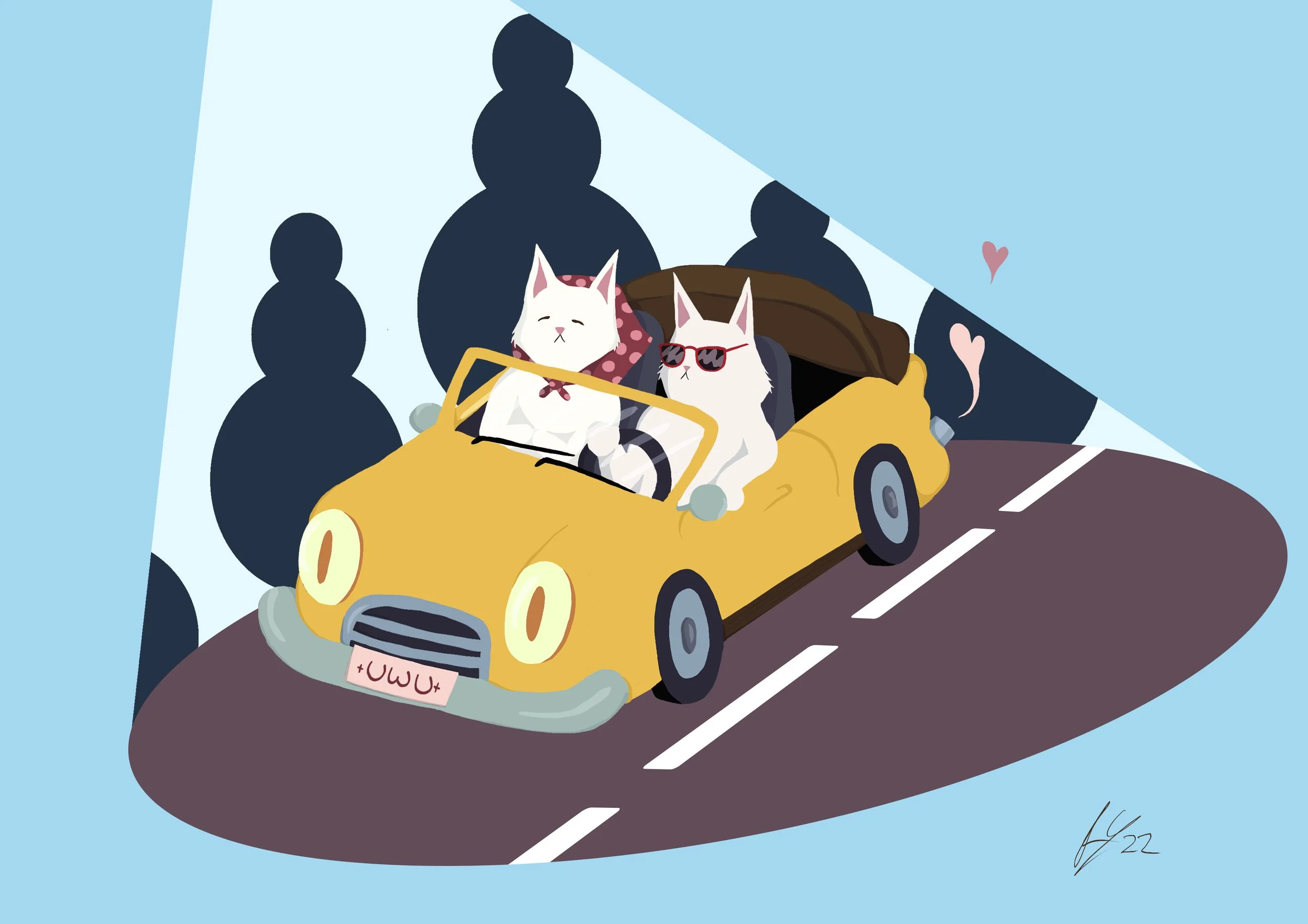
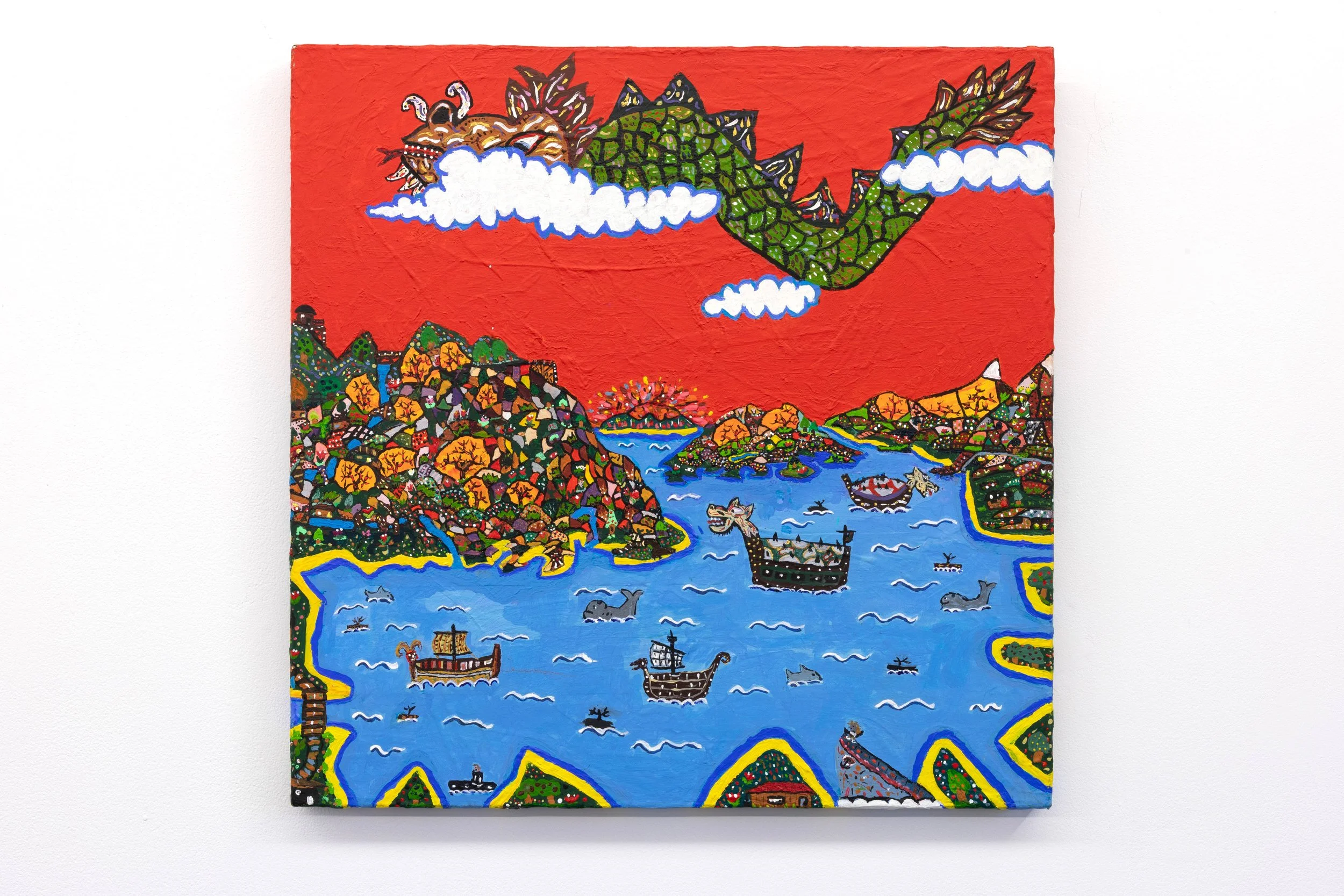

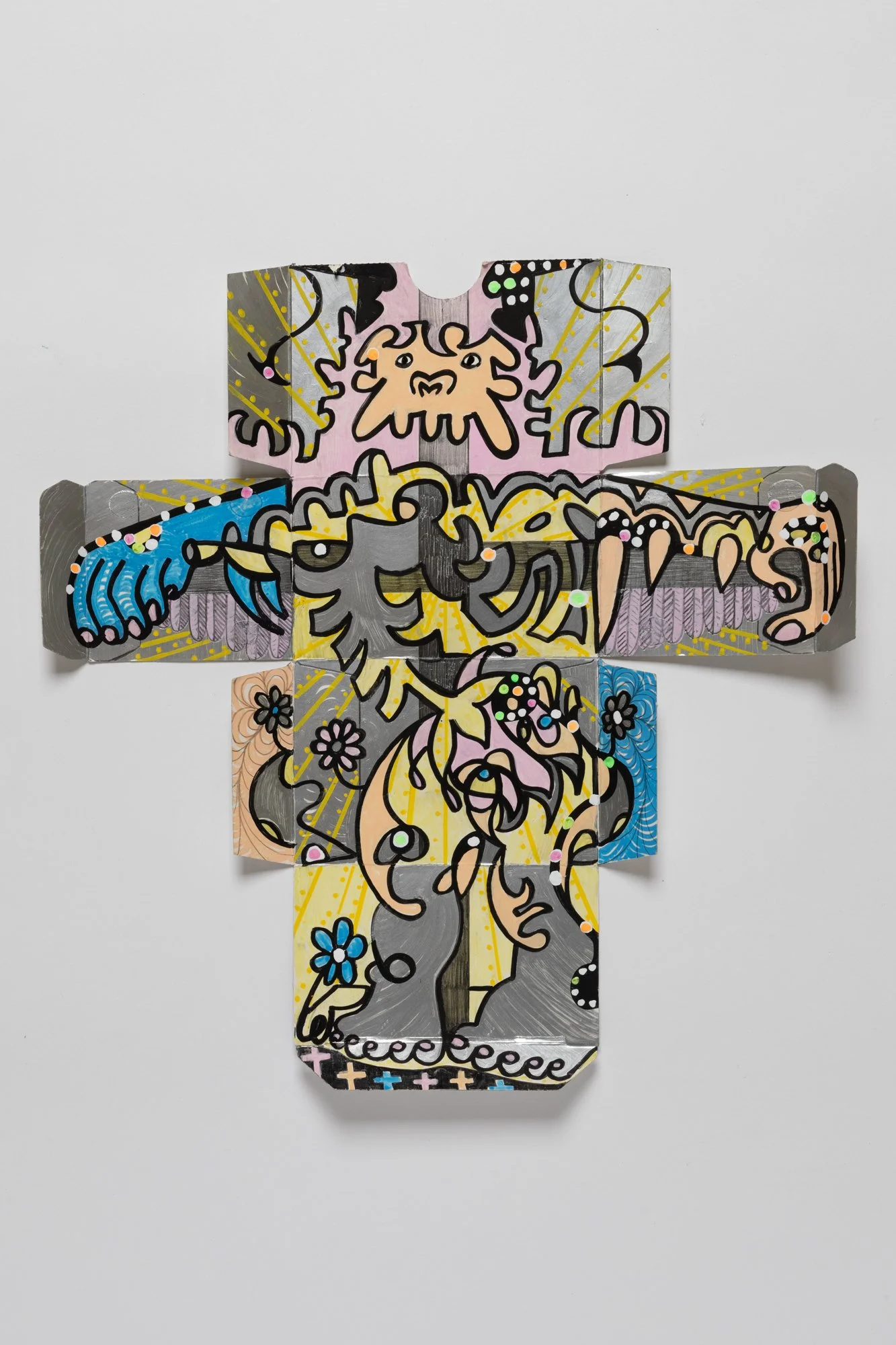
The artists in Little Umbrella Collective are gifted storytellers, translating fables and mythos, shared history and personal narratives into vibrant visual allegories.
This can be seen in the graphic line work and application of colour in Sudheera Dissanayake’s The Peacock, an interpretation of Aesop’s fable ‘The Peacock and the Crane’, and the rich fictions playing out in the tableaus of Jeremy Swales’ Ghost Town with No Ghosts, Danger Canyon, and Dreamland. Whether these stories are familiar, known entities, or new additions to the shared human canon, they are rich, vibrant and elaborate. This is revealed in the works of Chloë Abdelnour, whose titles, New Myth 1 & 2, are ambiguous invitations to explore their complex materiality and unravel the lore embedded within.
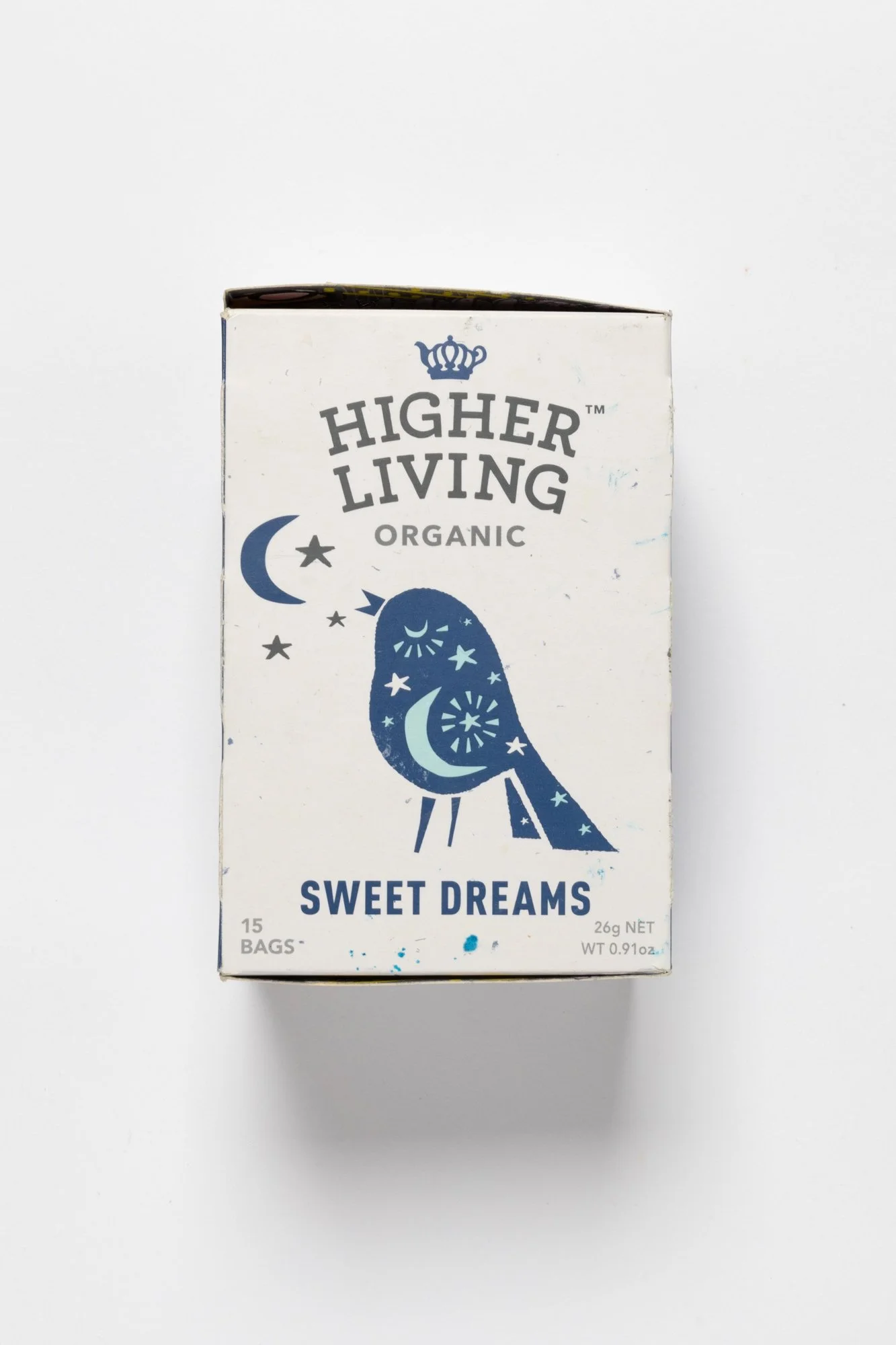
Zachariah Fenn and Dissanayake come together in the work Untitled (spirit monkey) to transform the interior of a Higher Living Organic Tea Sweet Dreams Tea Pack. It is not a stretch to imagine the sweet dreams touted on the front of the container involve the character hidden within.
Along all the edges of the day and all the parts inside as well


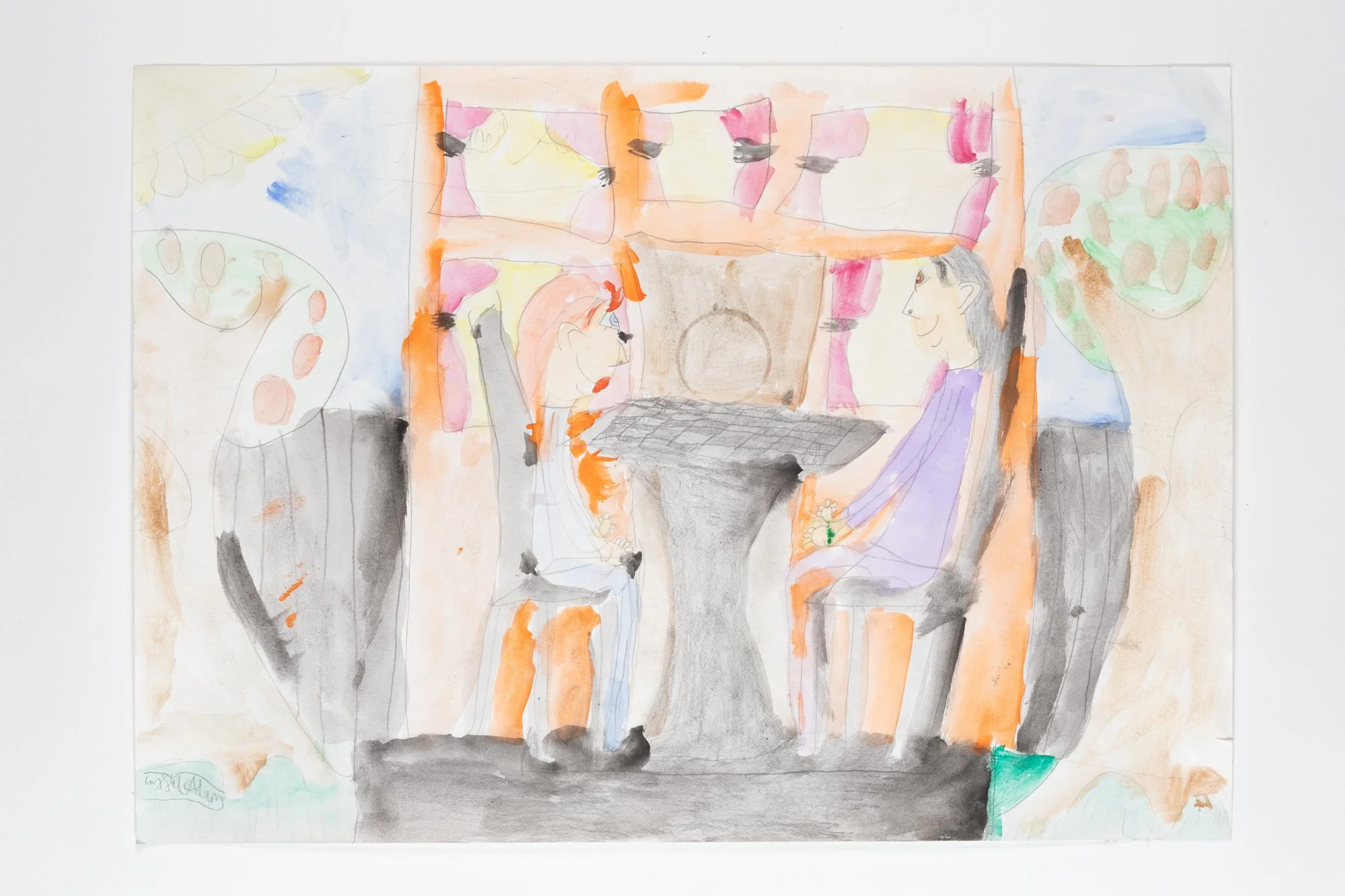
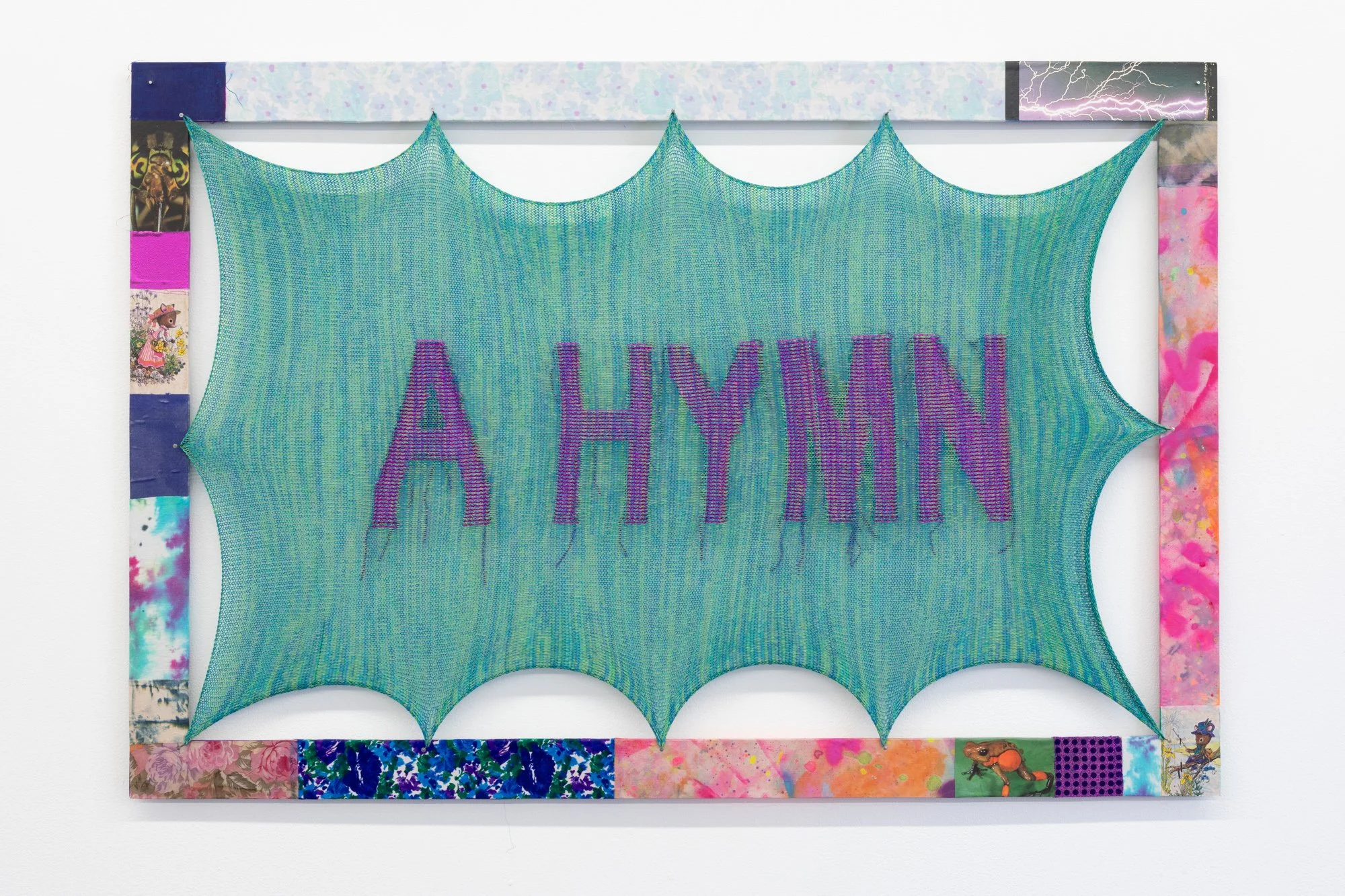
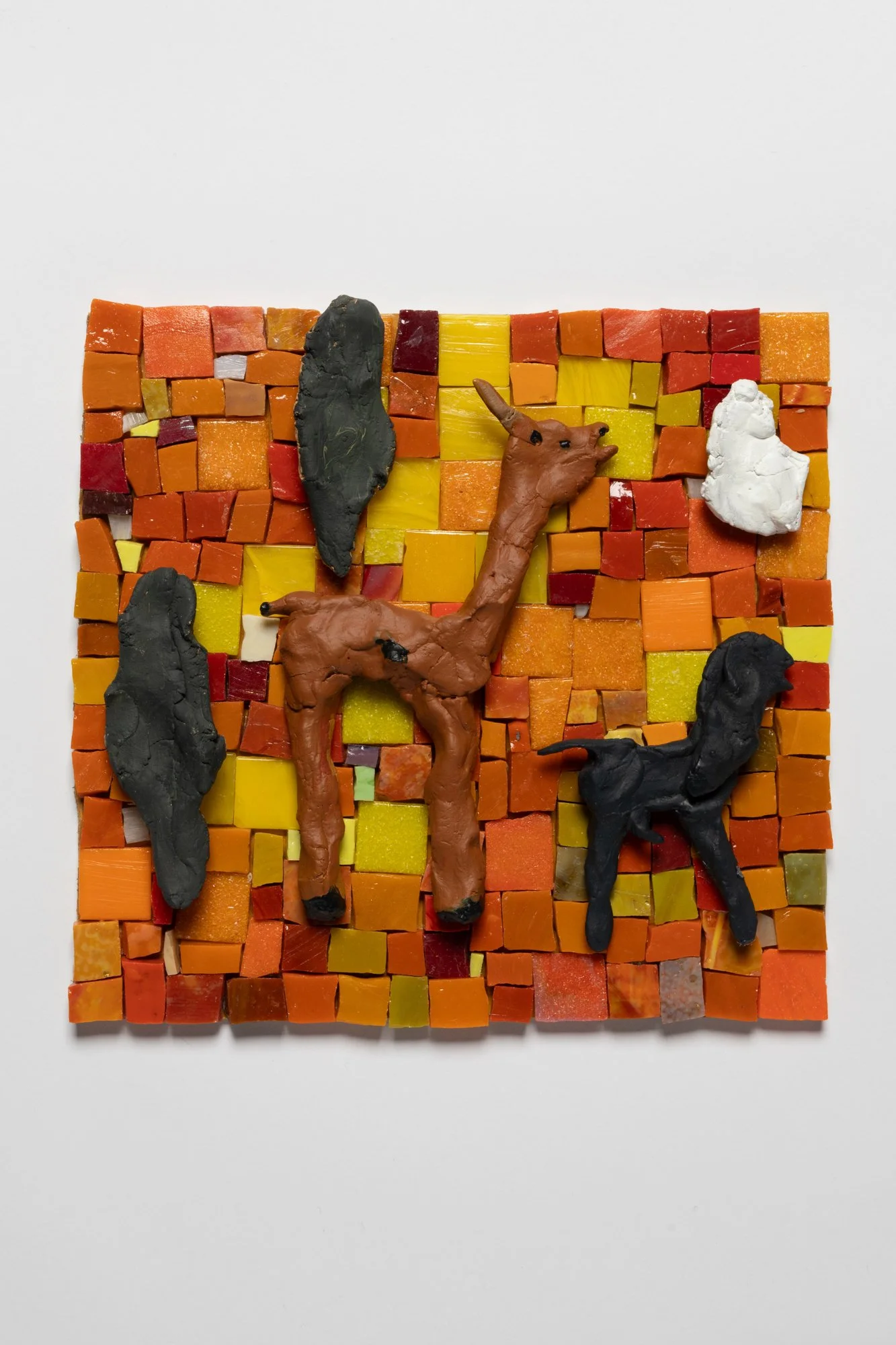
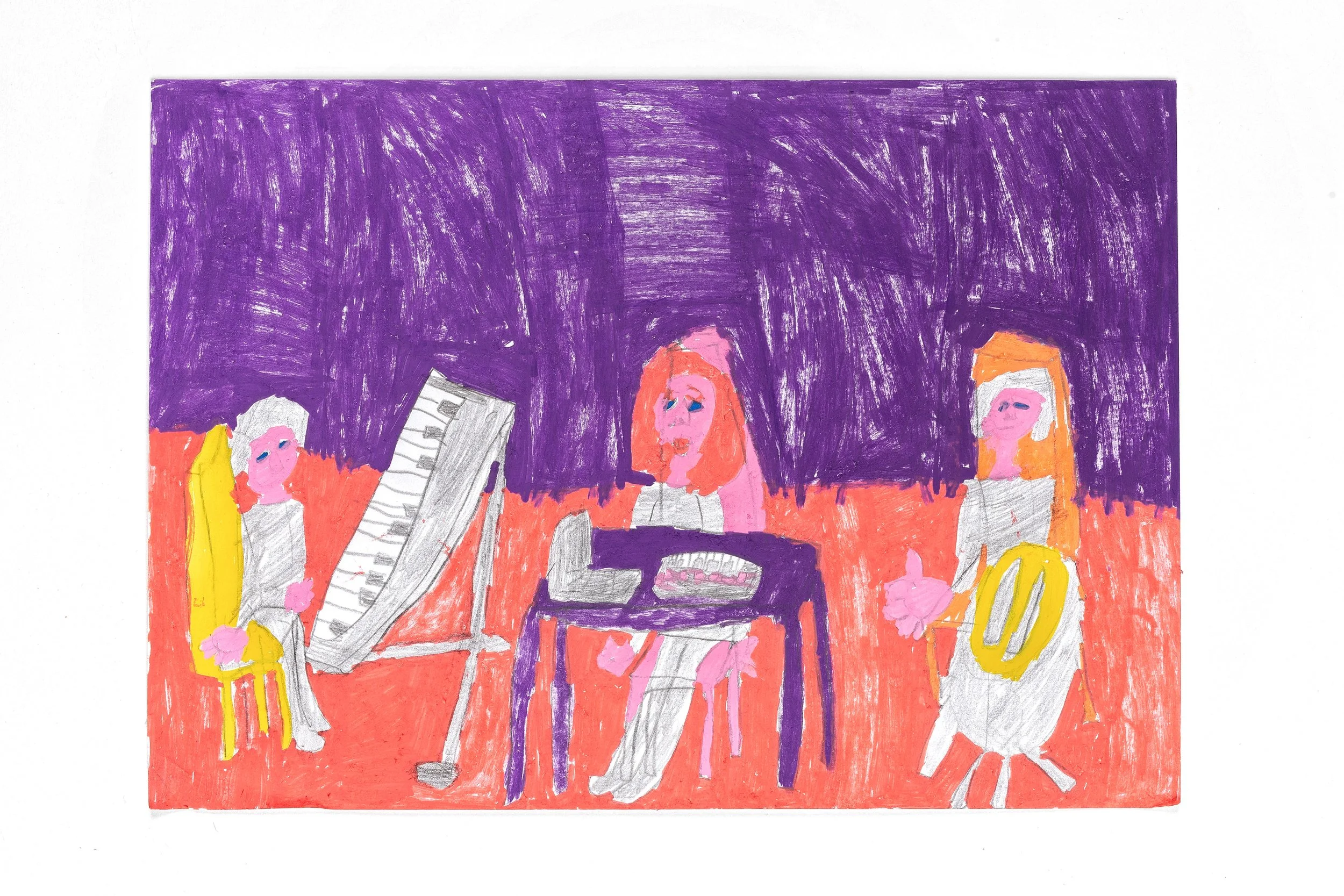
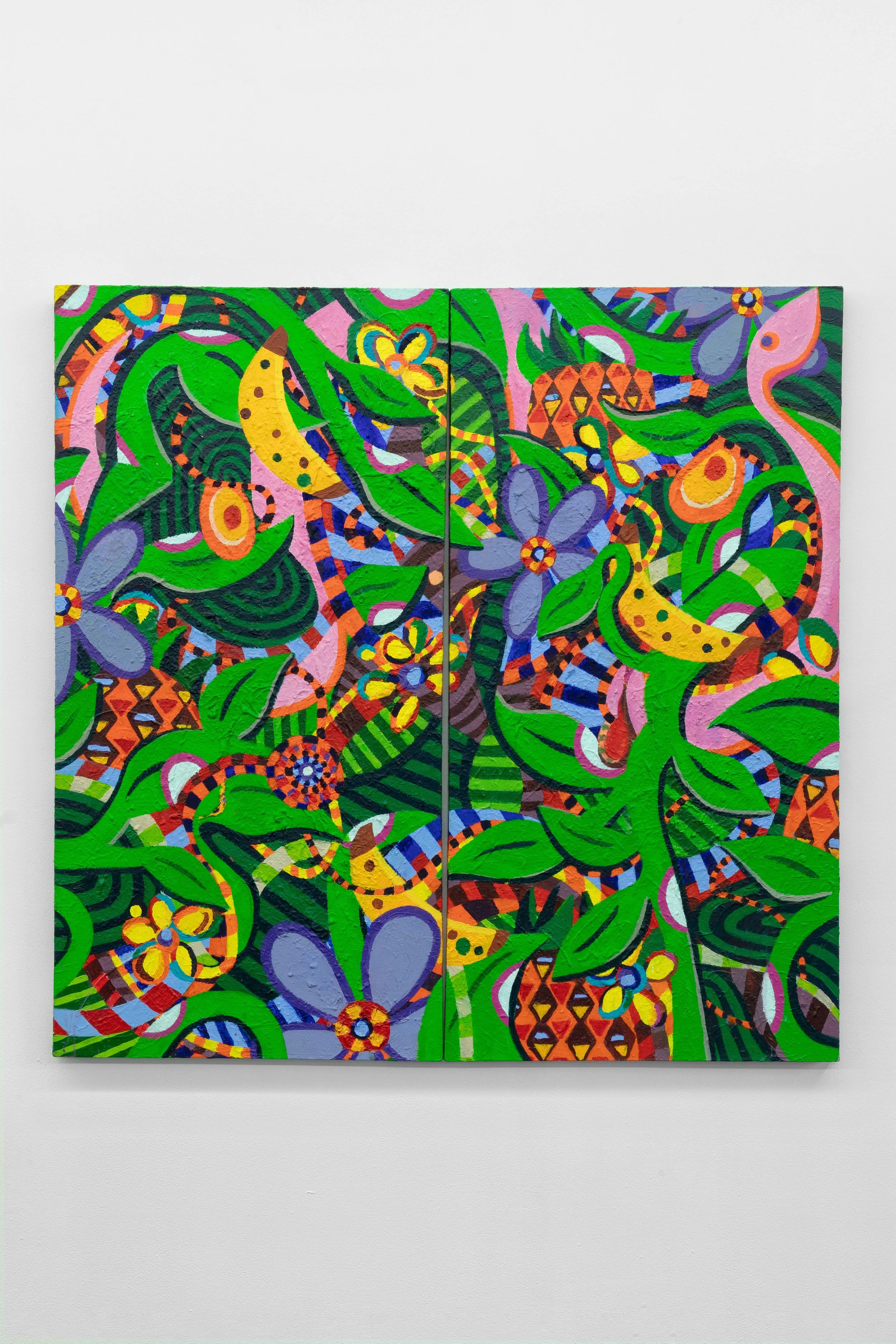
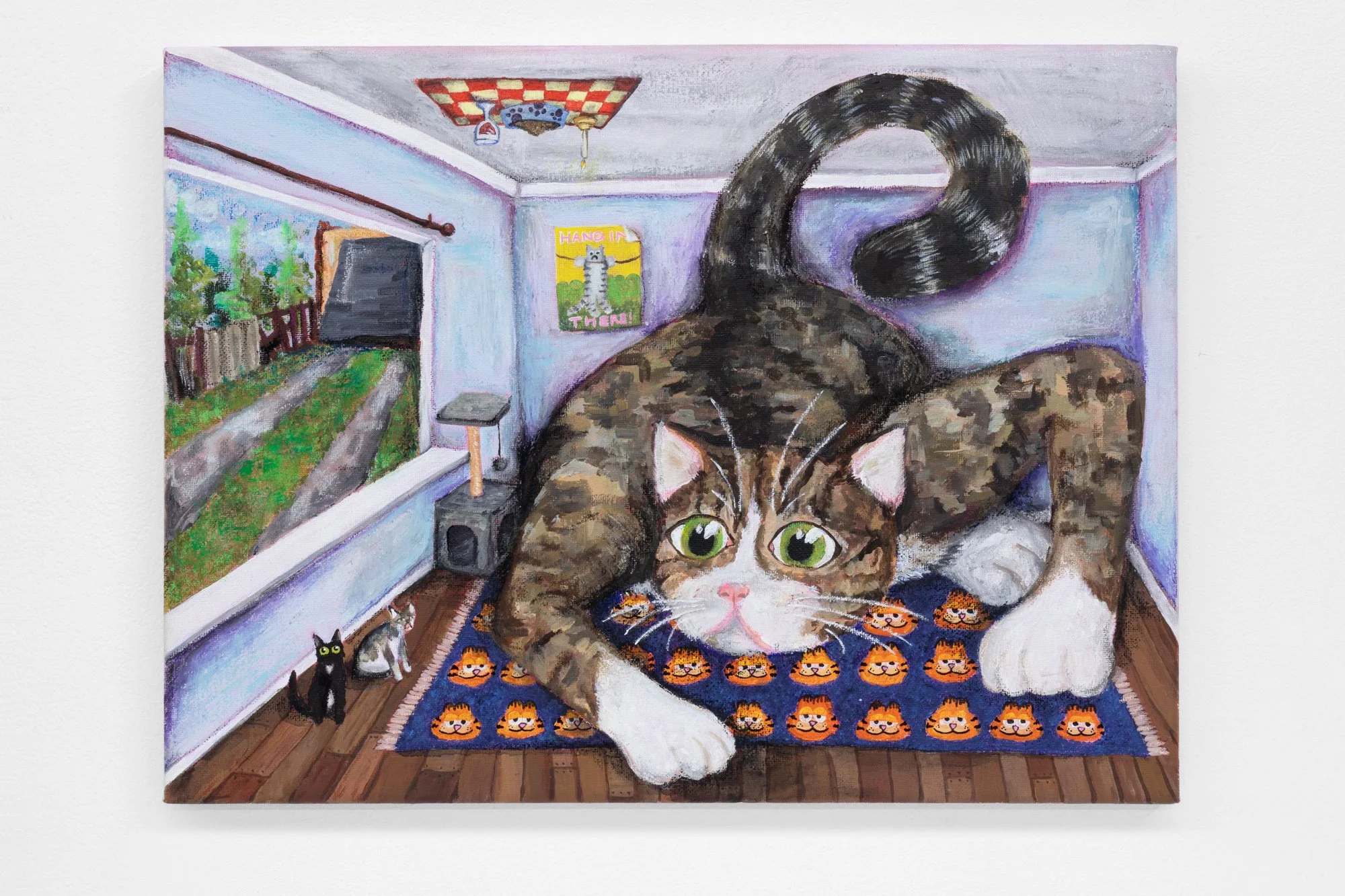

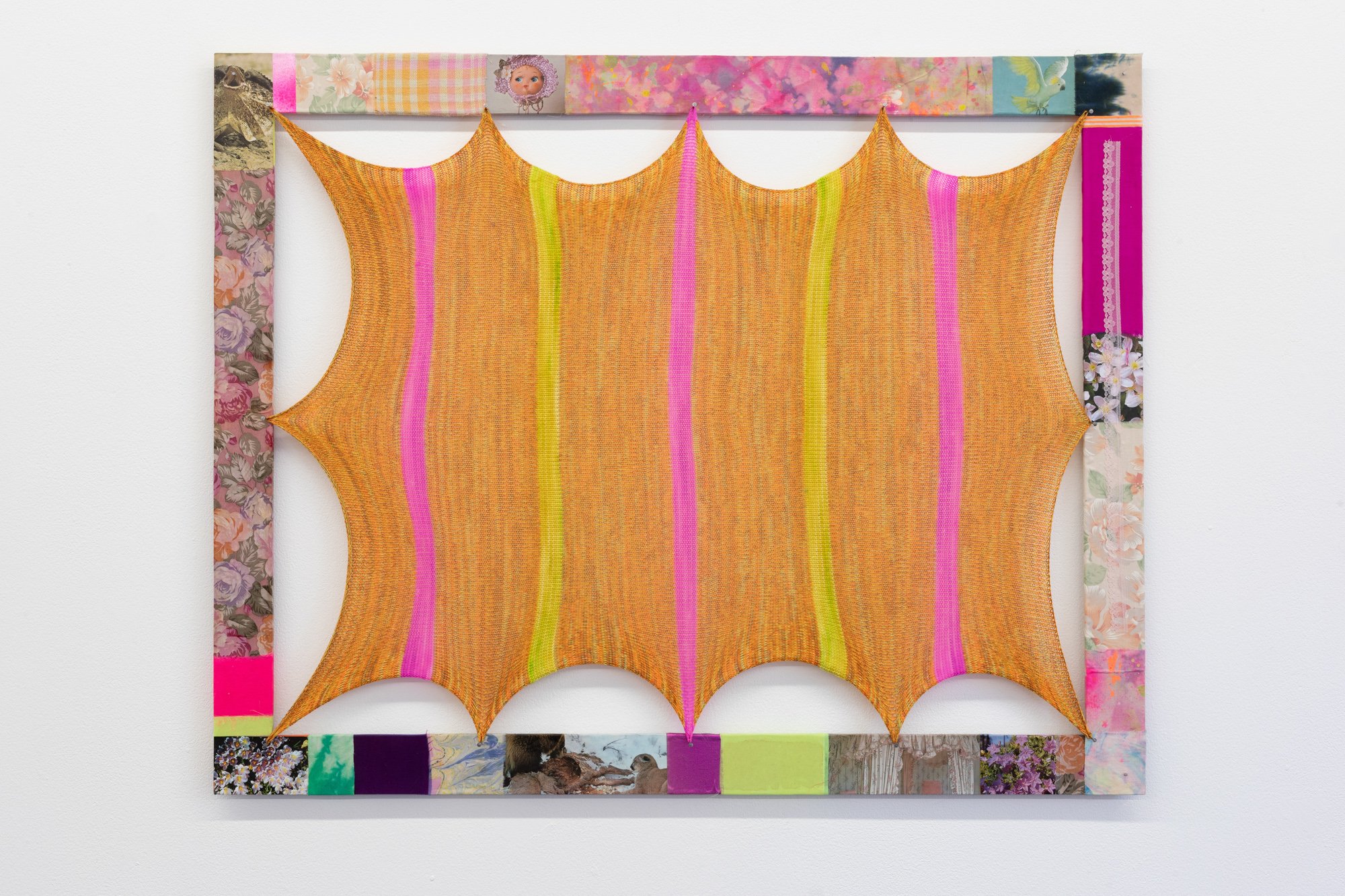
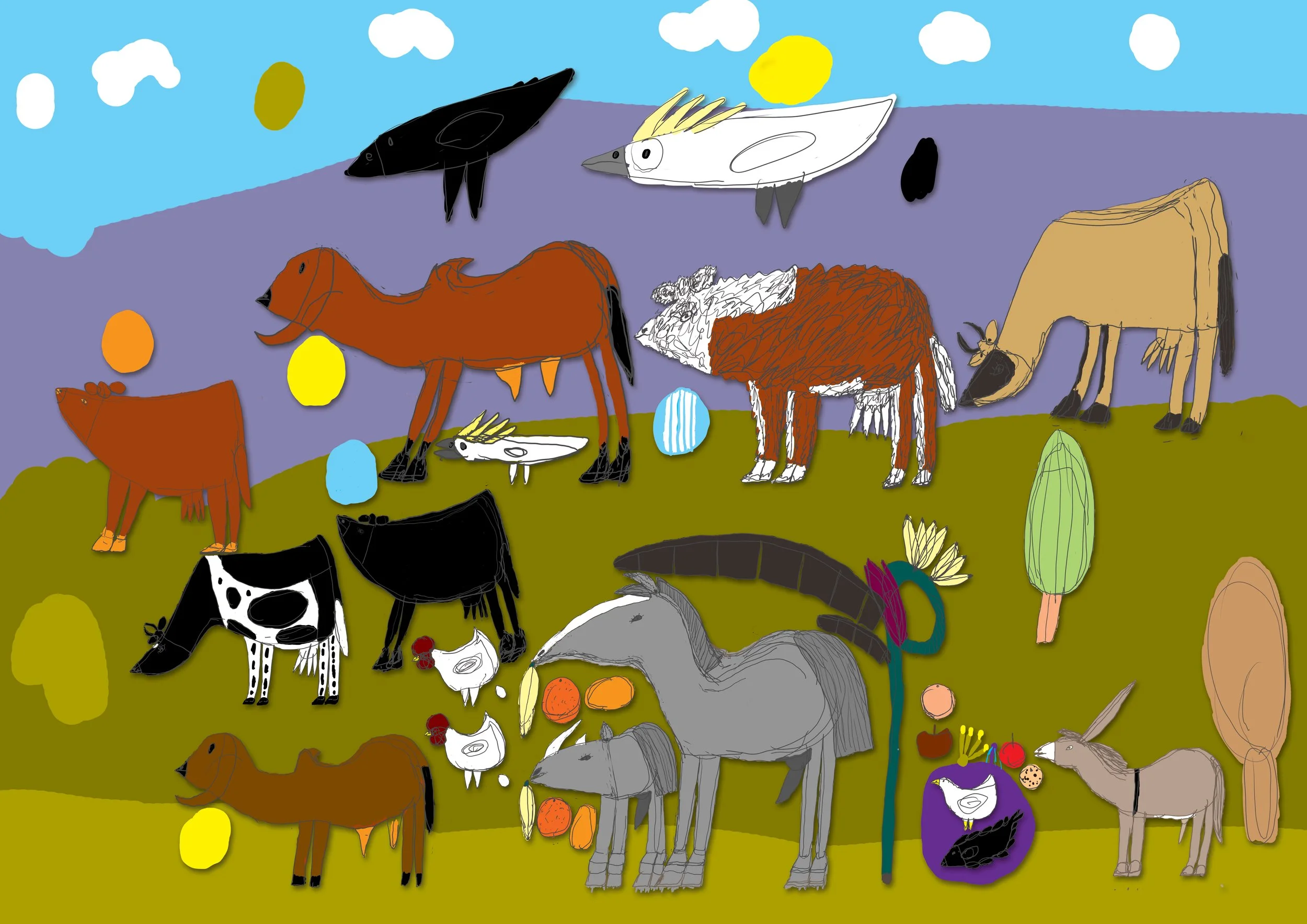

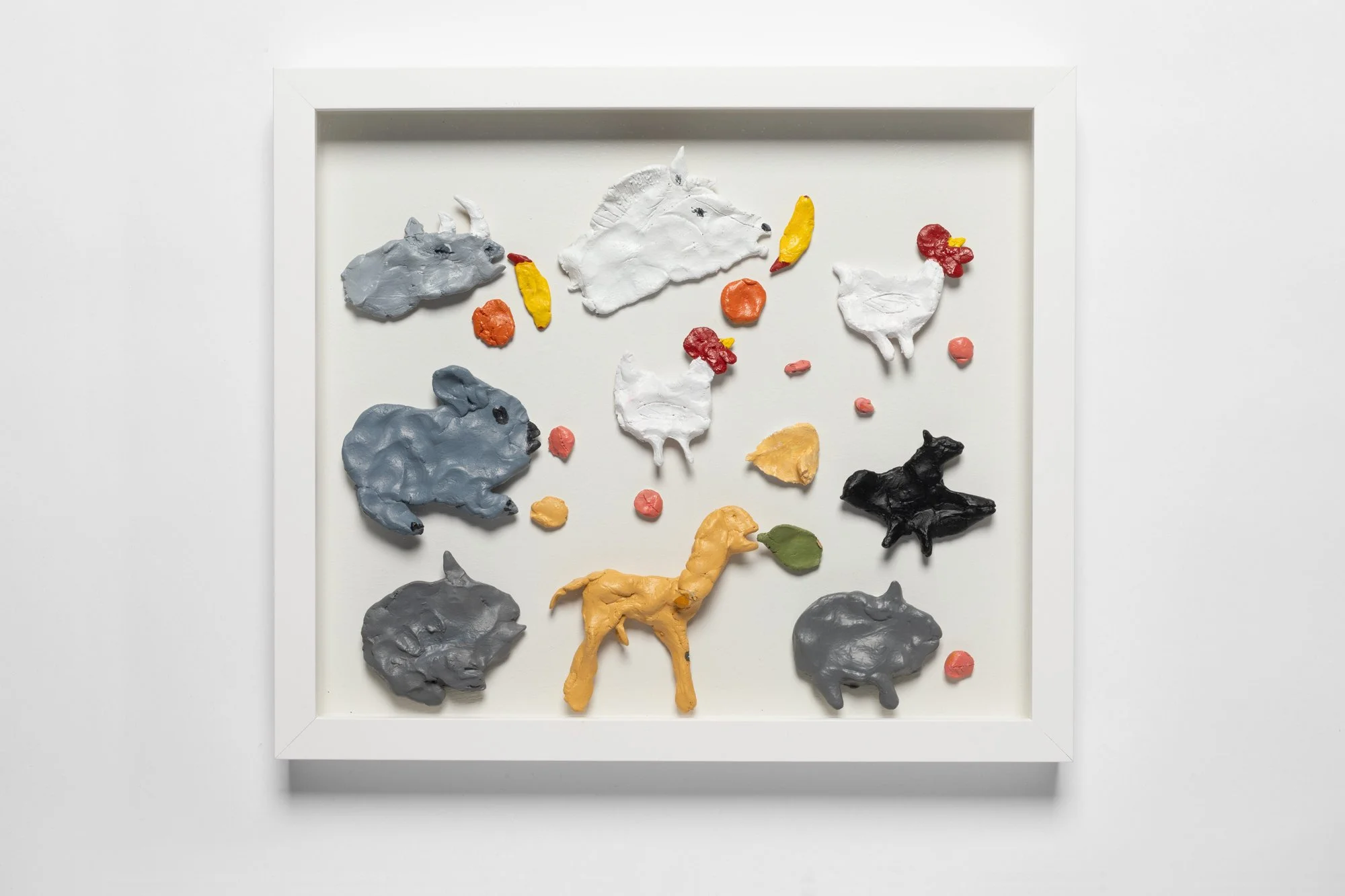
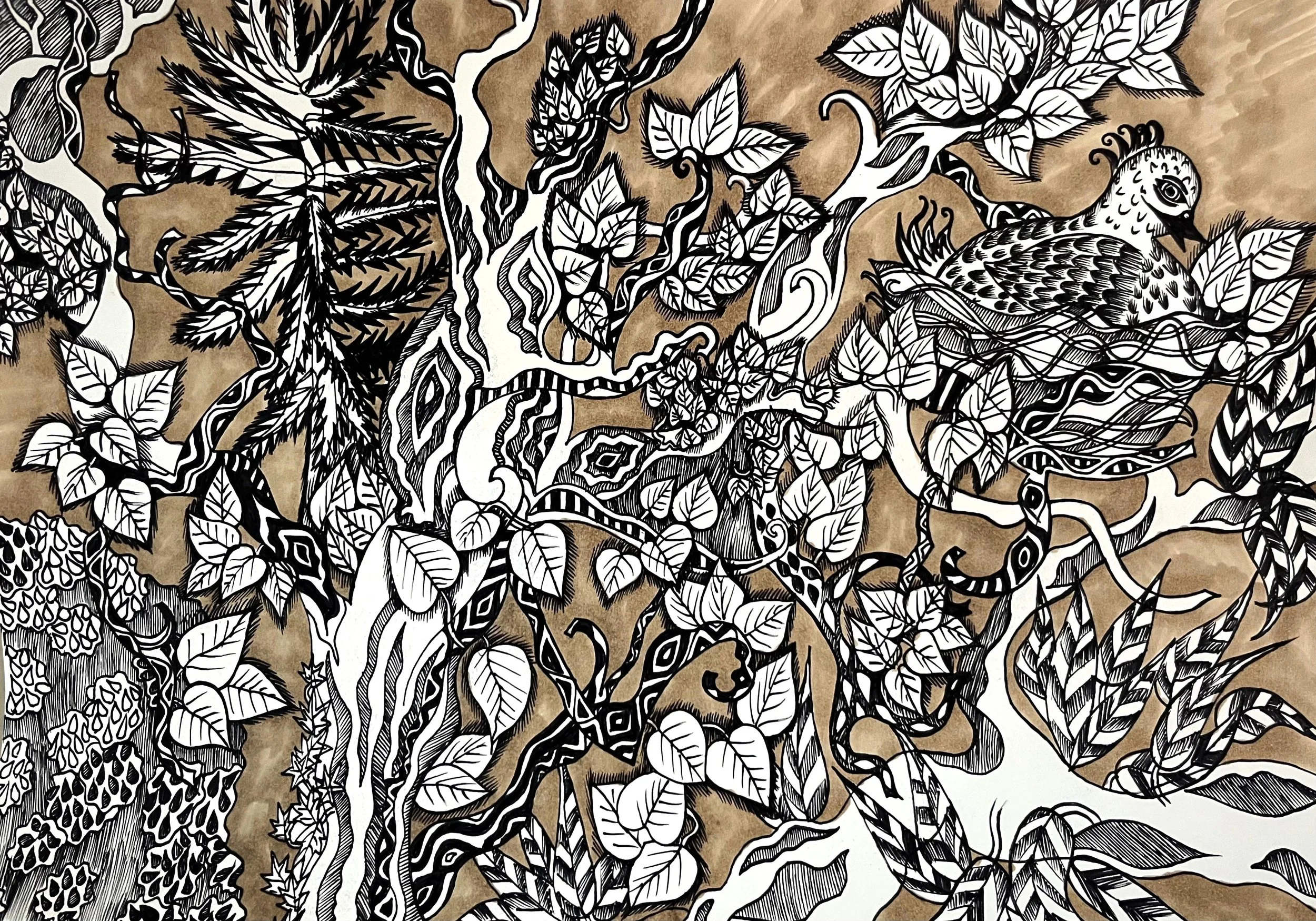
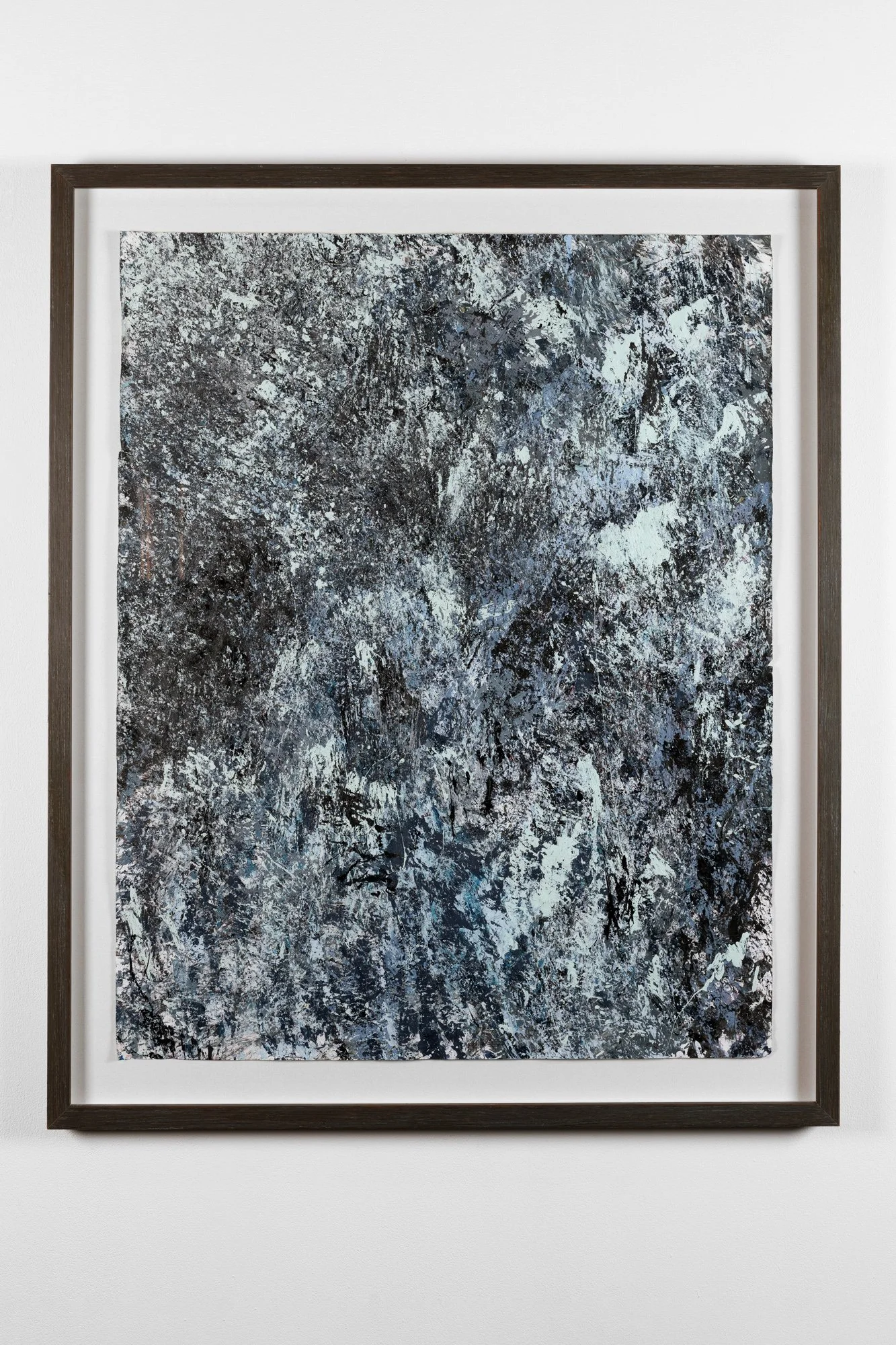
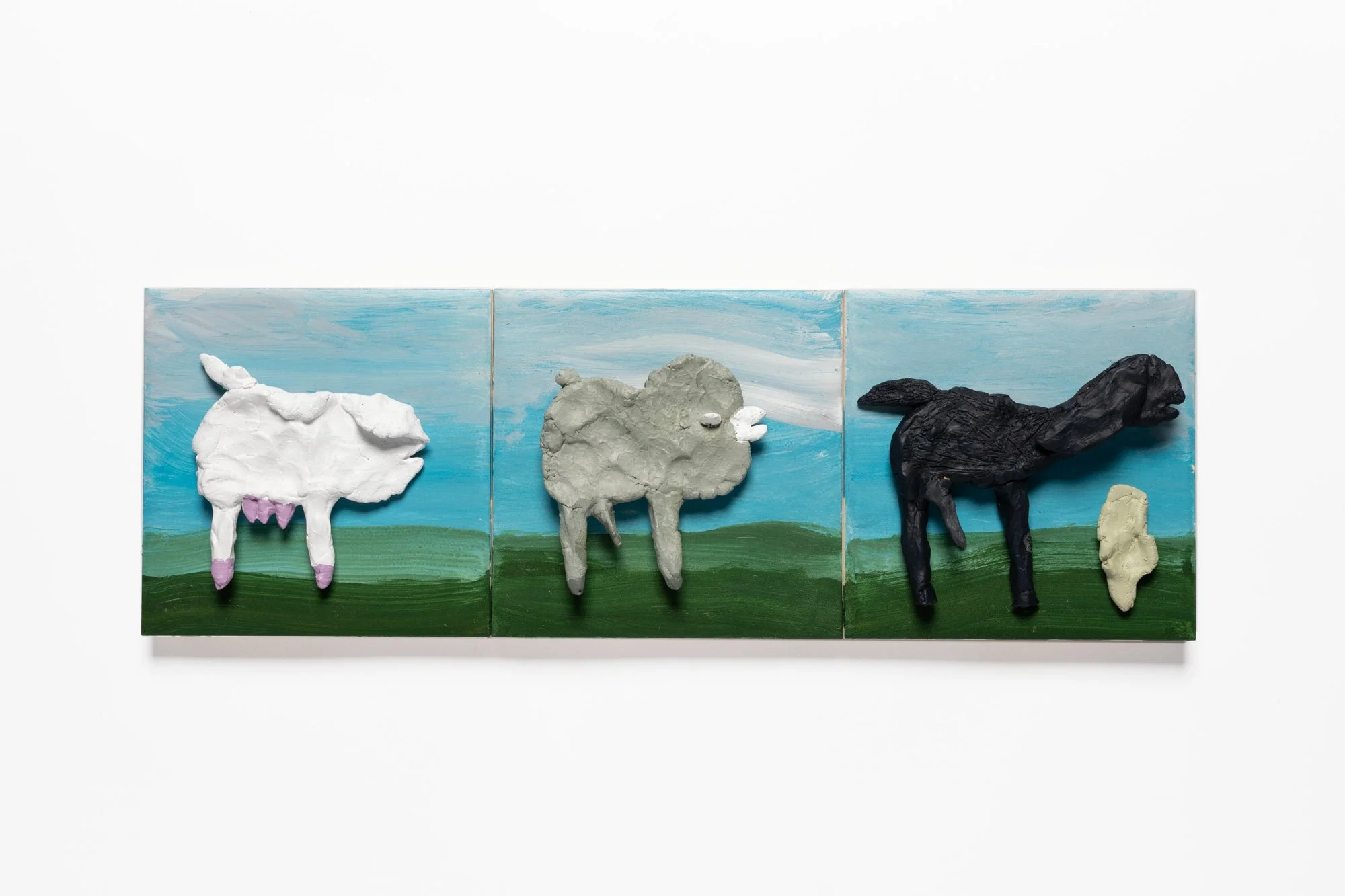
An interior often implies a room, the boundaries of the spaces we occupy, whether furnished with proof of domesticity or revealing traces of shared public lives. For The Little Umbrella Collective, an interior is certainly this, and in some of their works, we are welcomed into approximations of home life, whether imagined or personal. However, in this collection of works, an interior is also the self, the human body that experiences every day as them, recording and reporting back what it’s like to be inside.
Arunan Dharmalingam and Rowan Yeomans offer playful alternatives to home, populated with animal characters, while Riia Badger and Luke Abdallah reveal ways of being, through material, colour and process.
Oliver Fontany and Crystal Leigh Adams take a traditional approach to self portraiture, capturing their own likeness, sharing small personal truths about who they are. Adams works The Chess Game and Midyear Show Performance, build on this representation, providing generous insights into what she values and how she fills her days, surrounding herself with music, friends, and hobbies.
Chloë Abdelnour and Sudheera Dissanayake invite us into deeply personal interior vistas. They tap into acutely human experiences, meditations on family, nostalgia, pain, resilience. Their works are not prescriptive about these things, so much as contemplative, reaching out a hand to us, reminding us that while all this might be going on inside, we are not alone in the experience of it.
For what it is, for what it could be, for everyone or for no one at all


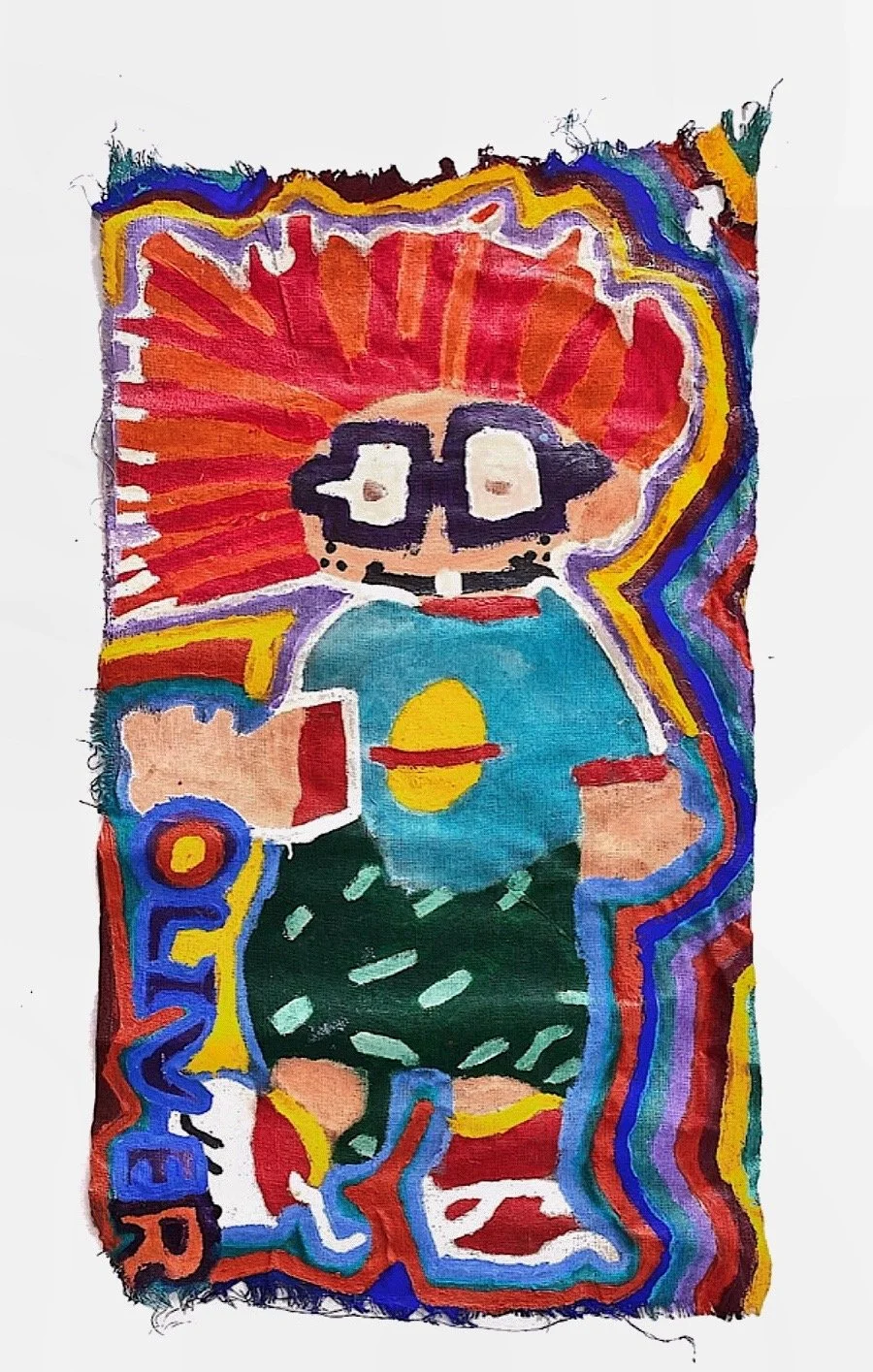

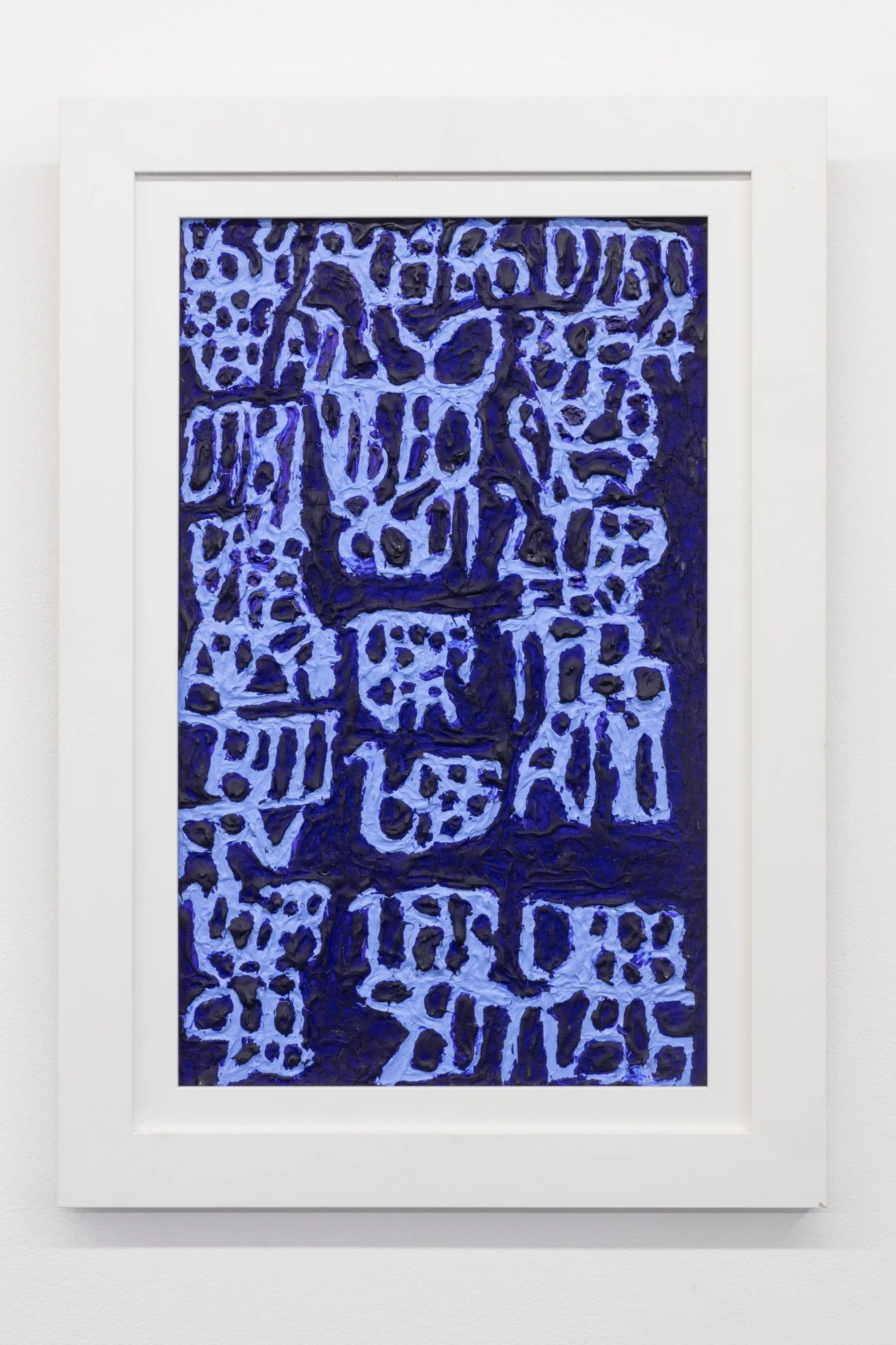

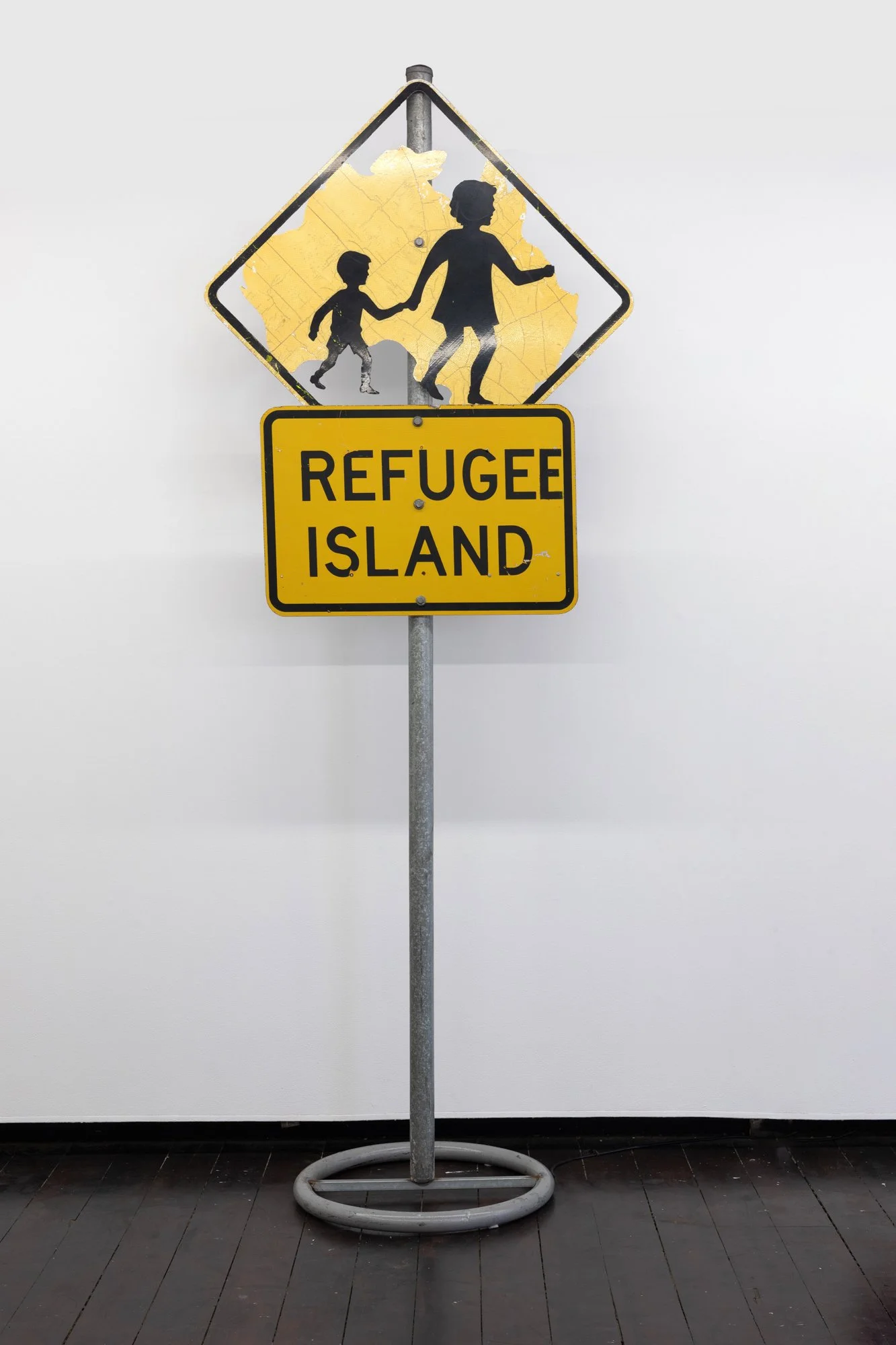
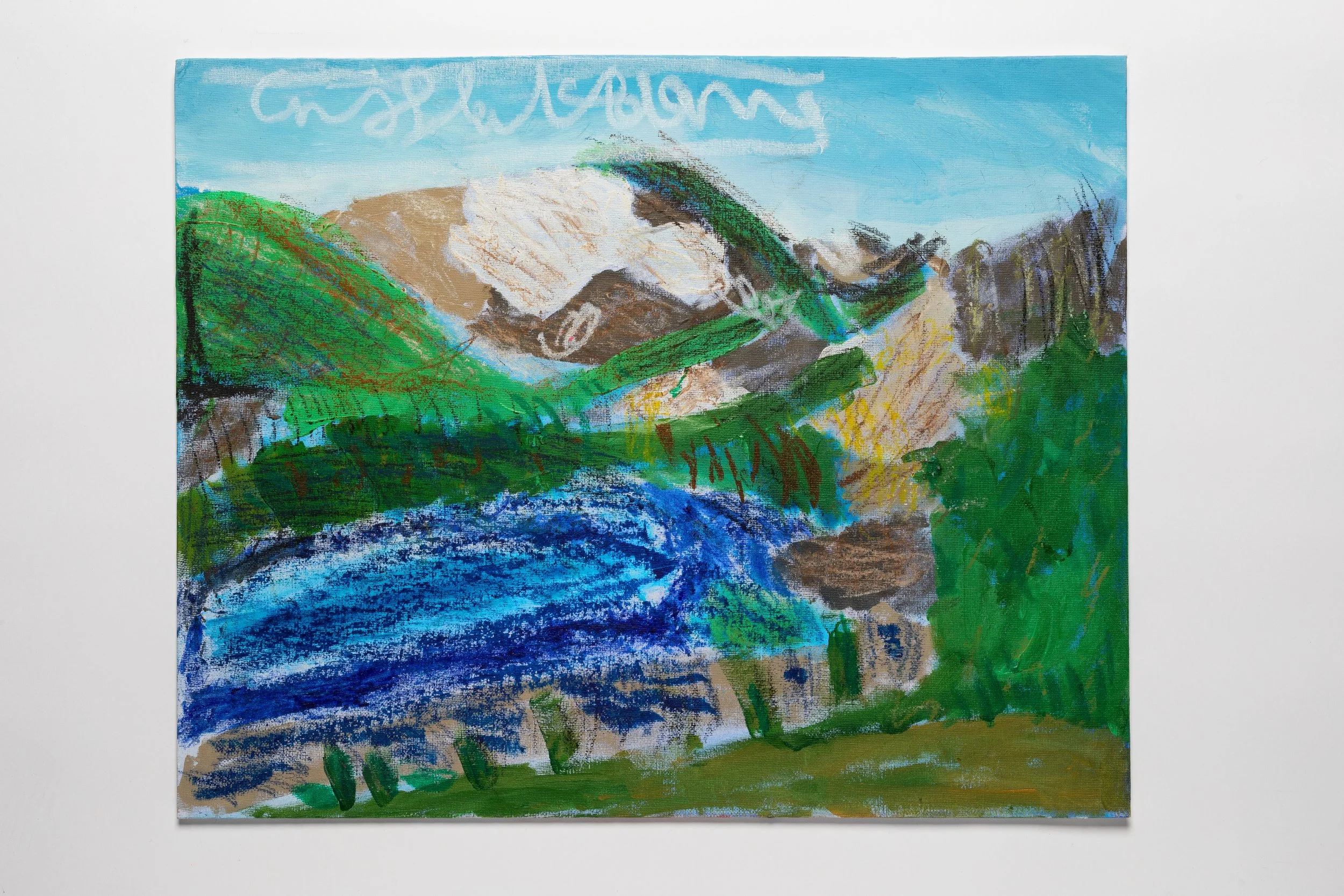
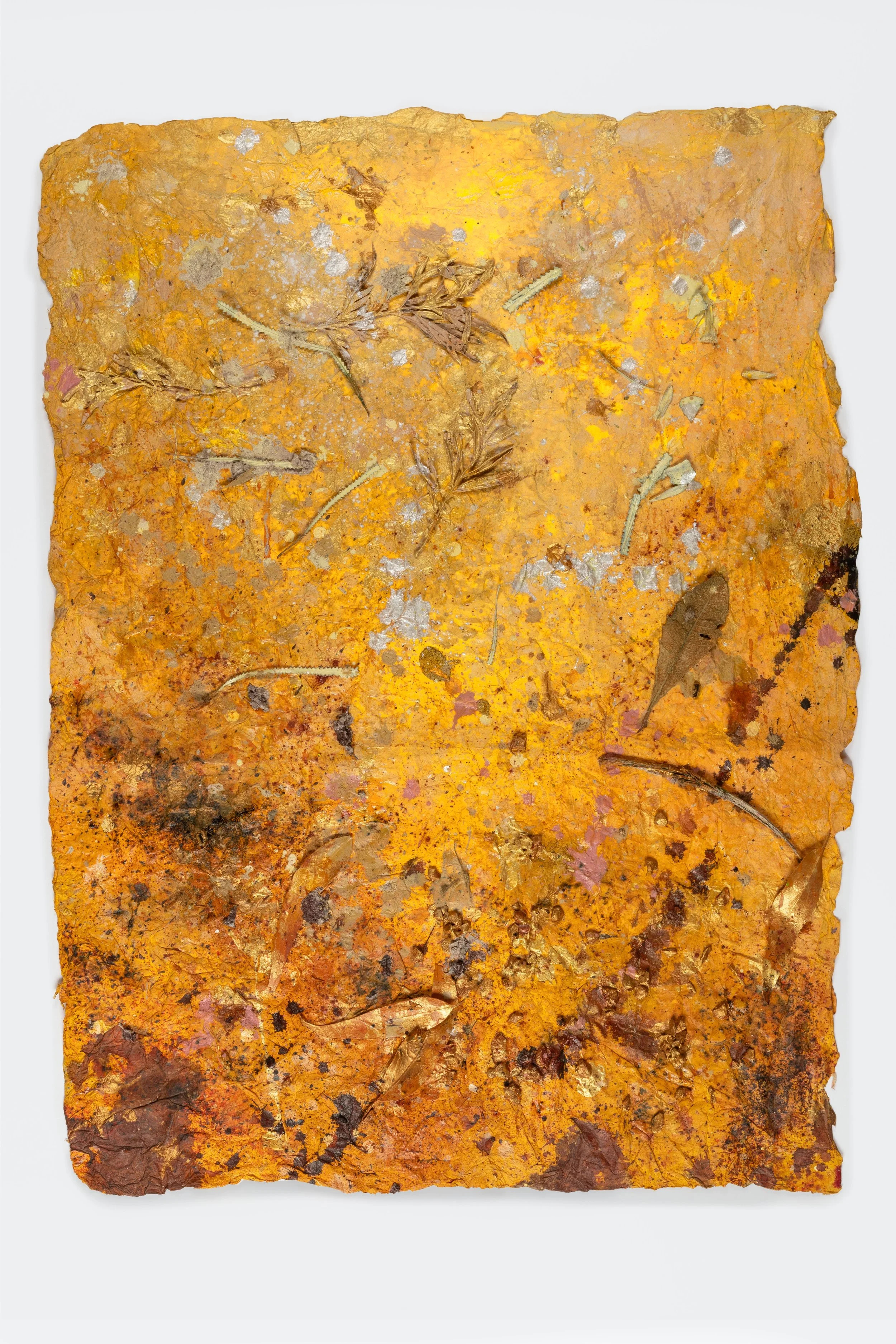
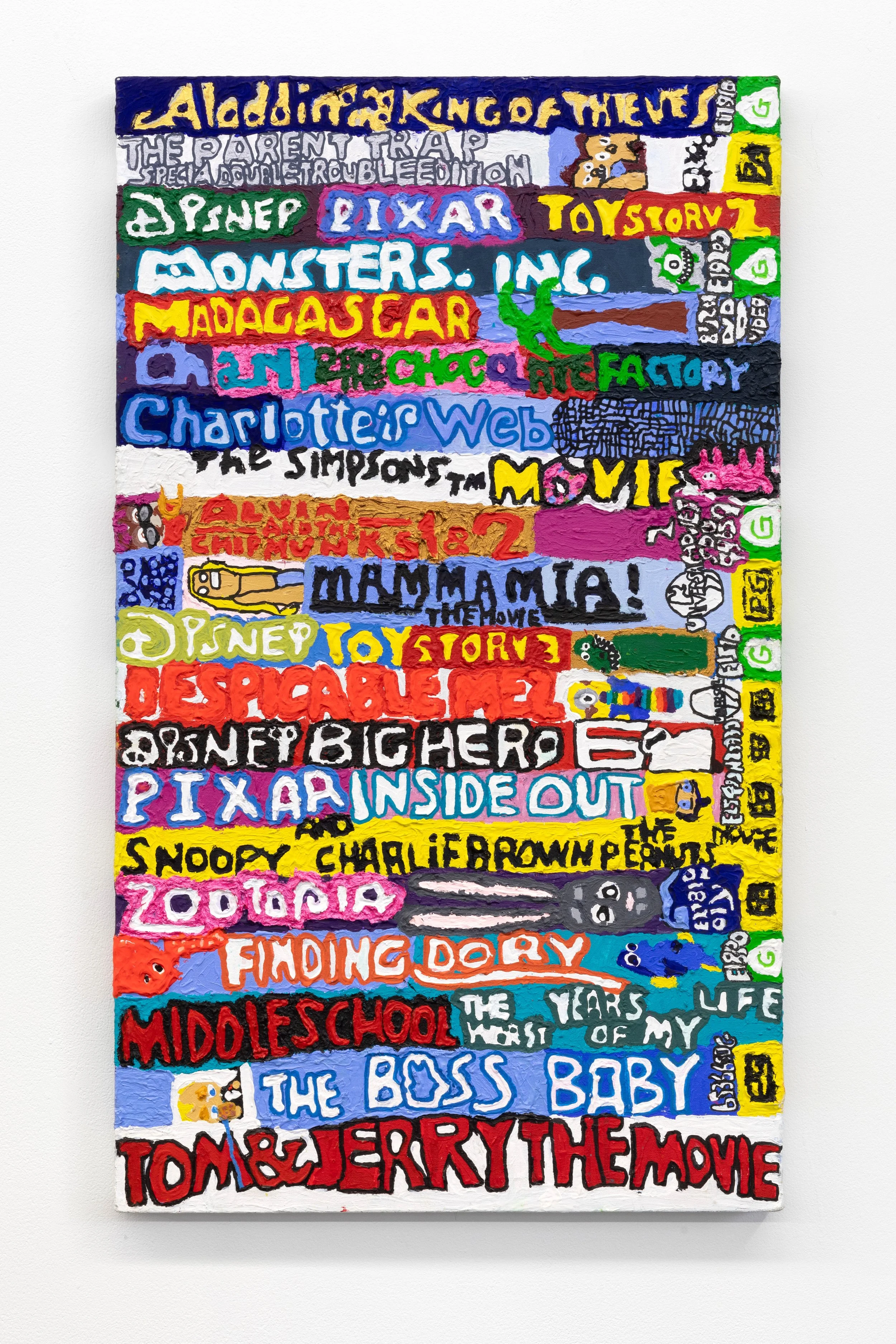

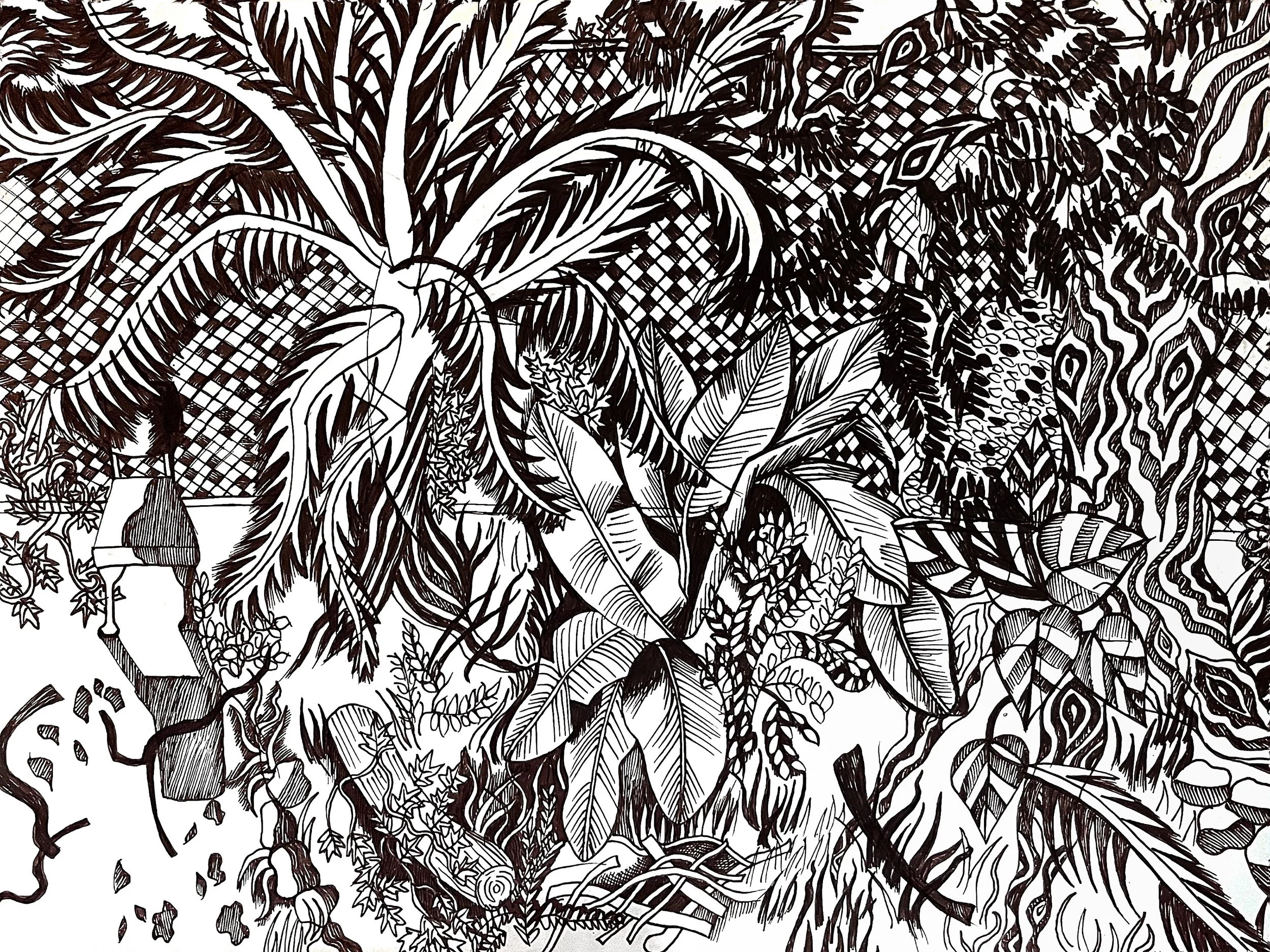
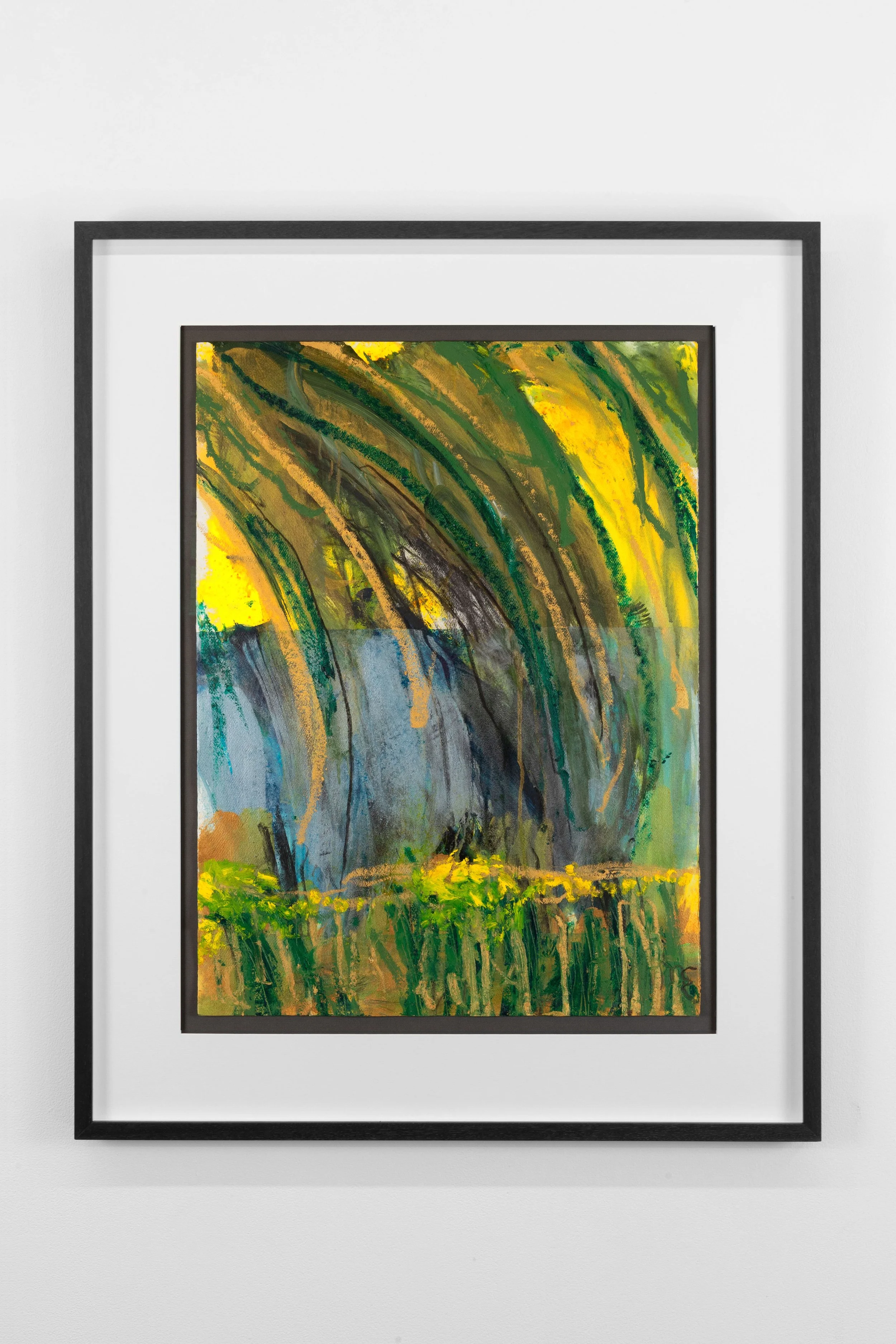
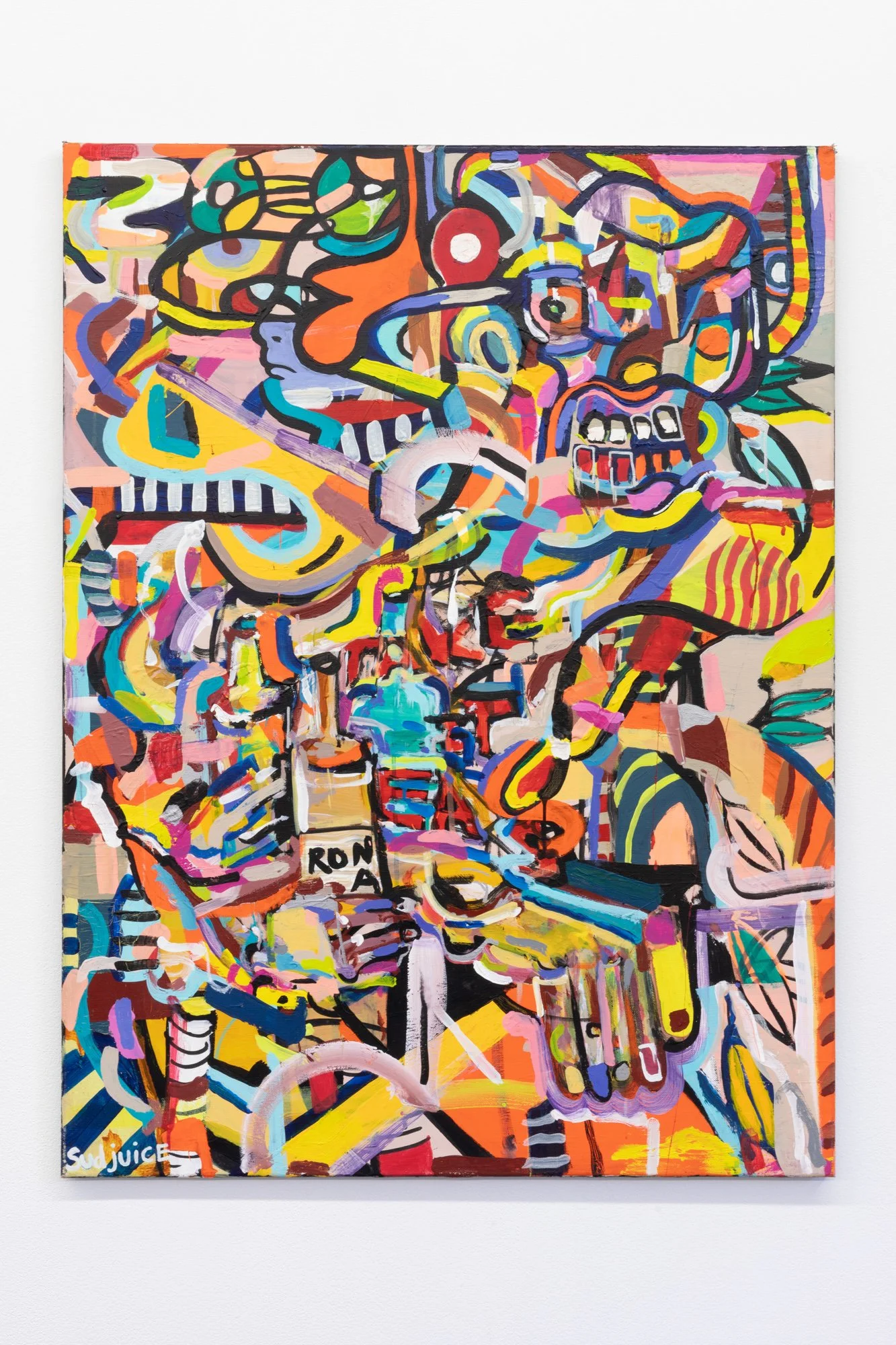
The artists in The Little Umbrella Collective are deft auditors, applying macro lenses and microscopes to the world to reveal quotidien mundanities, political, social realities. They show us both how the world is and how it could be, parts that are good and parts that could be better.
Zachariah Fenn’s street sign works disrupt familiar Australian roadside motifs with affective and provoking questions. These works ask us to consider our shared social contract, who gets to participate? And what will the world they participate in look like?
Whether an observational depiction, capturing a landscape gleaned through an open window during a residency such a Matt Elliott’s My Studio Window, Bundanon or a collaborative reflection on the physical surrounds, ground and materiality in Elliott and Luke Abdallah’s shared work, The Ground Underfoot the mise en scene of a place, the arrangement of the world, becomes the subject in many of the works above.
LOOK/LISTEN
LOOK/LISTEN, Rowan Yeomans and Crystal Leigh Adams, with additional footage from Oliver Fontany, video duration 7:50 minutes
LOOK/LISTEN is a video installation made by Rowan Yeomans in collaboration with Crystal Leigh Adams and Oliver Fontany while on an artistic residency at Woollahra Gallery. It features a sound piece made by Crystal Adams exploring the ways sounds from the natural and man made environments around the area could be used in a musical context through sampling, field recordings and musical technology that allowed for plants to write their own scores, and her writings reflecting on the process of making this work.
In making the video, Rowan wanted to translate this methodology to a video format, focusing on texture, colour tactility, and abstraction to create a gestural impression of what it might be like to speak to plants.
Sensory Mapping
Sensory Mapping, 2025, Cinematographer: Steve Abdallah, sound: Crystal Leigh Adams and Rowan Yeomans, 1 channel video, editing: Rowan Yeomans 2 channel sound
Sensory Mapping is an abstract documentary exploring the multi-faceted artistic practice of Luke Abdallah, a blind artist living with elective mutism. Abdallah’s work is shaped by his sensory and emotional perception of the environments he inhabits. Drawing inspiration from sounds, smells, and textures, this short film captures his process during an artist residency at BigCi through a stylised, impressionistic lens.
Cinematographer Steven Abdallah employs lens distortion, detailed macro shots, and light leaks to emphasise the tactile qualities of Luke’s practice, immersing the audience in the bushland setting where his new body of work is unfolding. The imagery invites viewers to imagine the warmth of sunlight on skin, a breeze through leaves, or the textures of bark and petals under their fingertips. The edit by Rowan Yeomans layers cascades of images into a kaleidoscopic mirage of sensory input that rises and falls with the rhythm of Abdallah’s practice.
The film’s original score, composed by Crystal Leigh Adams and arranged with Yeomans, is built from field recordings captured during the residency. Birdsong, frogs, insects, Abdallah’s own vocalisations and drumming, and words of encouragement from his artistic support team weave together with Adams’ piano composition, written in response to the footage. The result is a layered soundscape that mirrors the flowing, cyclical nature of the artist’s process.
Sensory Mapping offers audiences a sensory encounter that approximates Abdallah’s lived experience as a blind artist. Moving between moments of quiet, bursts of creative energy, and states of sensory overload, the film reflects how his practice resonates with his experience of the world. Delighting in texture — both sonic and tactile — and embracing abstraction, it creates a symbolic, non-literal vision of a non-visual way of being.
This project is supported by the NSW Government through Create NSW